+961 (6) 446 335 info@ssmc.com Facebook Instagram 🌐English / العربية

About Us

About SSH

A Cornerstone of Health Care and Social protection in North Lebanon

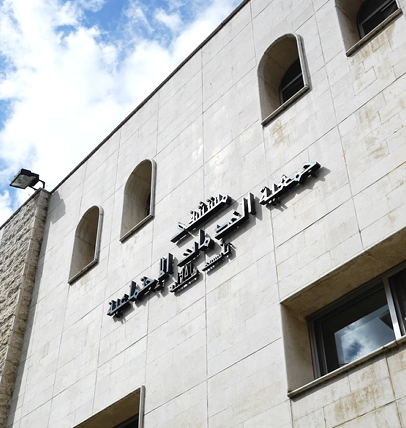
The Social Services Hospital (SSH) is a pioneering humanitarian medical institution founded in 1951. It was the first specialized center in the city of Tripoli dedicated to the care of the elderly and persons with disabilities. Over more than seven decades, the hospital has evolved from a social care home into an integrated institution providing long-term medical, nursing, rehabilitative, psychological, and diagnostic services. The hospital occupies a central position within the healthcare and social protection system in North Lebanon, as an institution that combines humanitarian mission with specialized medical services, responding to the needs of the most vulnerable groups, particularly the elderly, patients with chronic diseases, persons with disabilities, and individuals with psychological and neurological disorders.

\
Strategic Impact

Strategic Value and Community Role

The hospital plays a vital role in addressing a growing gap in the Lebanese healthcare system amid an aging population, declining public hospital capacity, and increasing economic and social pressures.

01

Integrated Care System

Providing an integrated system of long-term medical and social care under one institutional umbrella.

02

Hospital Pressure Relief

Alleviating pressure on hospitals by accommodating long-stay and rehabilitation cases.

03

Regional Reference Center

Serving as a reference center for elderly care, rehabilitation, and mental health, particularly in North Lebanon.

04

Accessible Community Services

Offering accessible diagnostic and outpatient services to residents and the broader community.

05

Expanded Humanitarian Impact

Expanding humanitarian impact through home healthcare programs and supportive services.

Cornerstone of Protection

Accordingly, the hospital constitutes a cornerstone of health and social protection in North Lebanon.

History

The Social Services Hospital (SSH) is a long-term medical and social care institution located in Tripoli, Lebanon that was founded in 1951 as part of the Social Services Association. It began as “Dar Al-Ajaza” within Abu Samra Governmental Hospital. By 1954, SSH had expanded to occupy the entire hospital building, becoming the first facility in Tripoli dedicated to the care of the Elderly and Persons with Disabilities — meeting a vital community need.

Milestones

1970

In collaboration with the Ministry of Public Health, SSH established a Hospital for Chronic Diseases, enhancing its capacity to manage long-term health conditions.

1973

Launched a Physiotherapy and Rehabilitation Center.

1977

SSH inaugurated a Prosthesis Workshop with support from the Netherlands and ICRC.

1991

Introduced Al Rida Suite and the Rest House Suite.

1992

Established Medical Clinic and Dentistry Clinic.

1993

Expansion with multiple specialized centers and departments.

Today

Today, the hospital hosts over 300 residents receiving comprehensive multidisciplinary care.

01

Vision

To make the Social Services Hospital a leading model in elderly care and in providing integrated medical and social services, in accordance with the highest standards of quality and human dignity.

02

Mission

We believe in every person’s right to care and to live with dignity, and we work to provide a safe and humane environment for the elderly and people with special needs and people with disability through specialized medical and social services, delivered by a qualified team committed to compassion and professionalism, and in partnership with the local community.

03

Objectives

1. Deliver Comprehensive, High-Quality Care
Provide integrated medical and social services that meet the highest standards of quality, professionalism, and compassion, ensuring that every elderly person and individual with special needs receives dignified and person-centered care.

2. Foster a Safe and Humane Environment
Create and maintain a supportive, respectful, and secure living environment that upholds human dignity, promotes well-being, and responds to the physical, emotional, and social needs of beneficiaries.

3. Empower Staff and Strengthen Capacity
Develop the skills, capabilities, and ethical commitment of all staff members through continuous training, knowledge exchange, and adherence to best practices in caregiving, ensuring excellence across all service areas.

4. Build Strong Community Partnerships
Enhance collaboration with families, local communities, governmental bodies, and supporting organizations to ensure sustainable service delivery, expand outreach, and strengthen the social responsibility network surrounding the elderly and vulnerable groups.