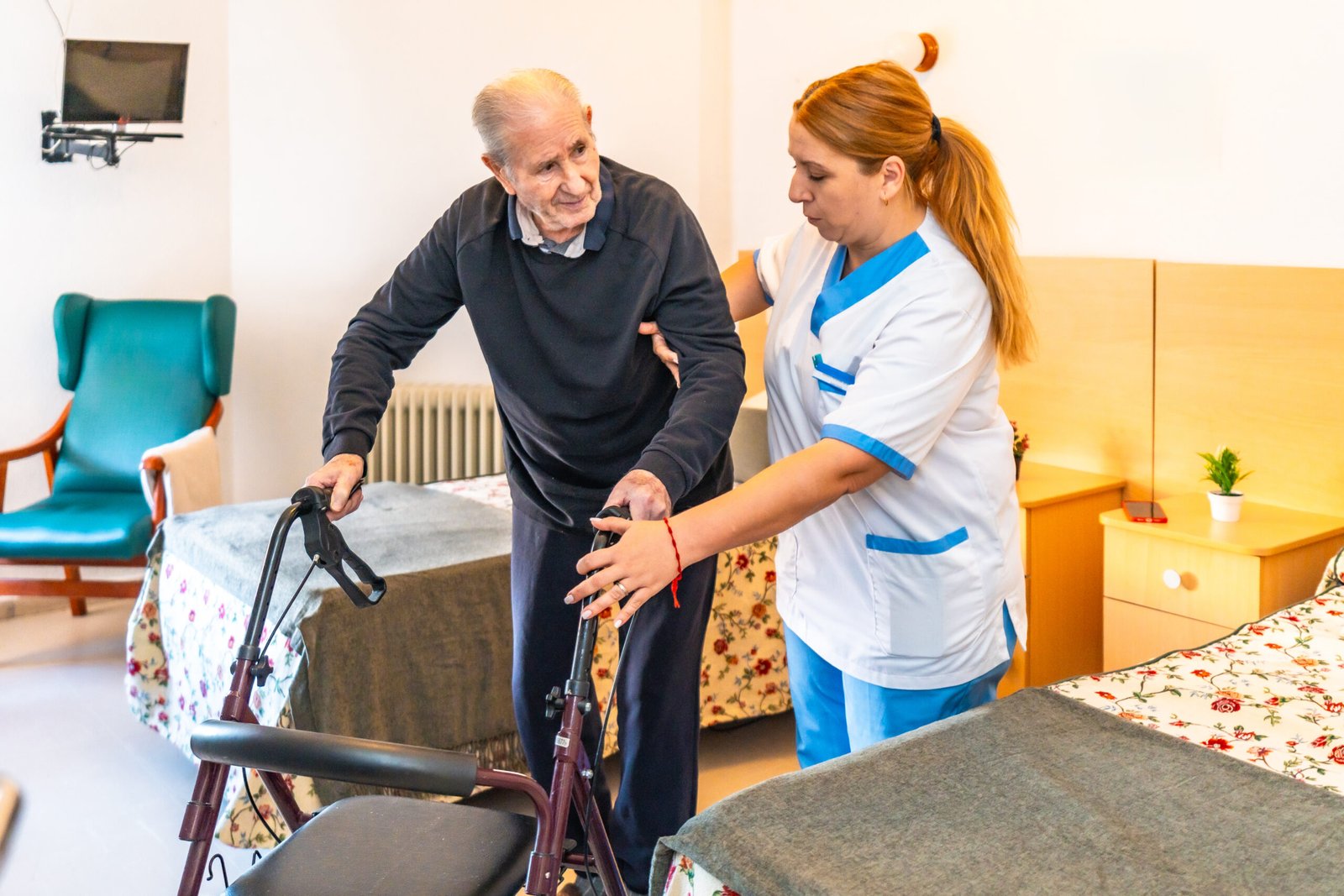
elderly care section

Elderly care section

Through this department, Social Services Hospital places great emphasis on providing comprehensive care for older people, focusing on maintaining their physical and mental health, enhancing their quality of life, and enabling them to live with dignity and as much independence as possible. This care encompasses several key areas:

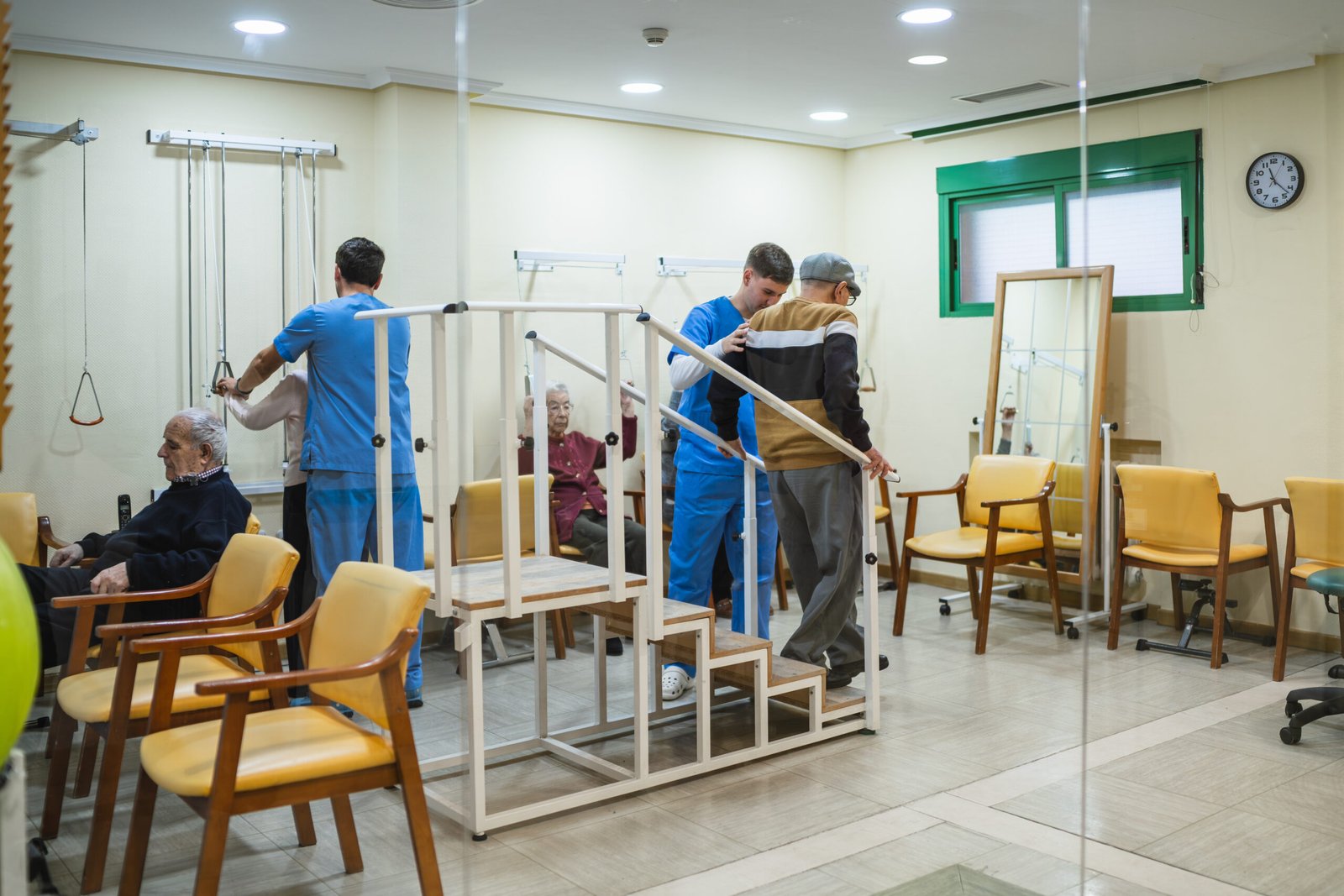
Department Image 1

Physical Care

•Regular medical follow-up:
Conducting periodic medical examinations, monitoring overall health status, and ensuring adherence to prescribed treatment plans.
•Physical activity:
Encouraging older people to engage in safe and light physical activities.
•Proper nutrition:
Providing balanced meals that meet age-related needs.
•Personal hygiene care:
Maintaining hygiene and overall well-being.

Psychological and Social Care

•Psychological and emotional support:
Offering emotional support and reducing anxiety.
•Social interaction:
Encouraging participation in social activities.
•Cognitive stimulation:
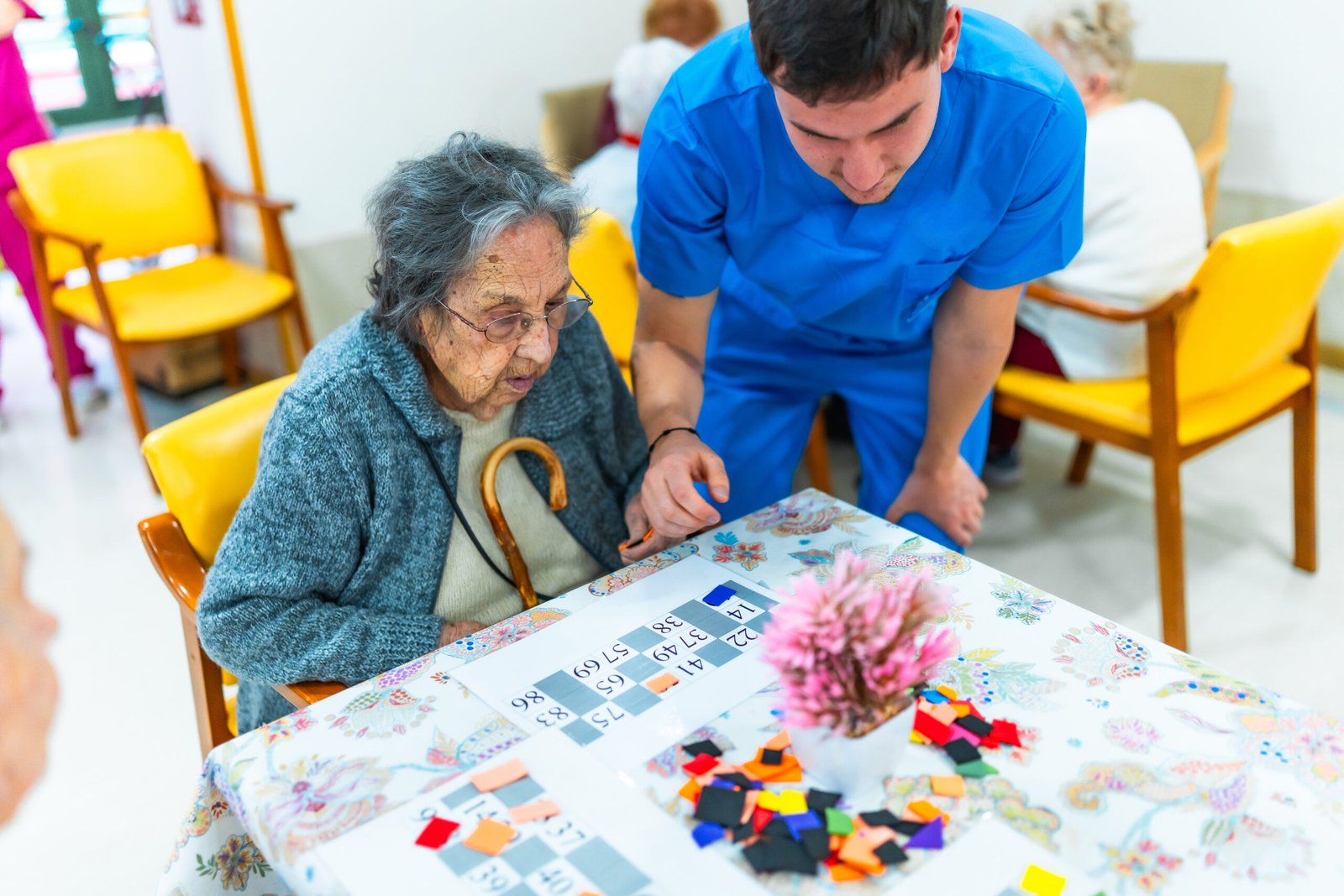
Organizing brain-stimulating activities.
•Respect and appreciation:
Treating older people with dignity.
Department Image 2

This integrated care aims to support independence and improve quality of life.

Providing a Safe and Comfortable Environment for Older People

The department ensures a safe, therapeutic and humane environment.

1. Physical Safety

• Anti-slip measures • Adequate lighting • Safe furniture
2. Psychological Comfort
• Privacy and independence • Social interaction • Recreational activities
3. Continuous Healthcare
• Medication monitoring • Regular examinations
4. Adaptation to Special Needs
• Assistive devices • Facility modifications
5. Emotional Support
• Positive interaction • Respect and appreciation

Department Image 3

Comprehensive Care for Older People

Through this department, Social Services Hospital places great emphasis on providing
comprehensive care for older people, focusing on maintaining their physical and mental health,
enhancing their quality of life, and enabling them to live with dignity and as much independence as possible.

1. Physical Care

Regular Medical Follow-up

Periodic medical examinations, continuous health monitoring, and strict adherence to treatment plans.

Physical Activity

Encouraging safe and light activities such as walking and stretching based on individual health conditions.

Proper Nutrition

Balanced meals tailored to age and medical needs to strengthen immunity and prevent disease.

Personal Hygiene Care

Maintaining hygiene, skin care, and dental health to enhance comfort and overall well-being.

2. Psychological and Social Care

Emotional Support

Providing attentive listening and emotional reassurance to reduce anxiety and stress.

Social Interaction

Encouraging recreational participation and community engagement to reduce isolation.

Cognitive Stimulation

Organizing reading, puzzles, and brain games to maintain mental sharpness.

Respect and Appreciation

Treating older people with dignity to strengthen confidence and emotional stability.

Providing a Safe and Comfortable Environment

Physical Safety

Anti-slip systems, adequate lighting, and stable furniture designed specifically for older people.

Psychological Comfort

Respecting privacy, reinforcing independence, and encouraging family engagement.

Continuous Healthcare

Precise medication scheduling and regular medical examinations.

Adaptation to Special Needs

Assistive devices and facility modifications to ensure safe and easy mobility.

Emotional Support

Positive interaction, attentive listening, and appreciation to enhance reassurance.

Pressure Ulcer Care

Prevention

Reducing prolonged pressure on high-risk areas through specialized positioning techniques.

Treatment

Accelerating healing of ulcers while preventing further complications.

Monitoring

Continuous skin assessment for early detection and timely intervention.